
Posted on 29/09/2026 10:28:17 (13d ago) 77
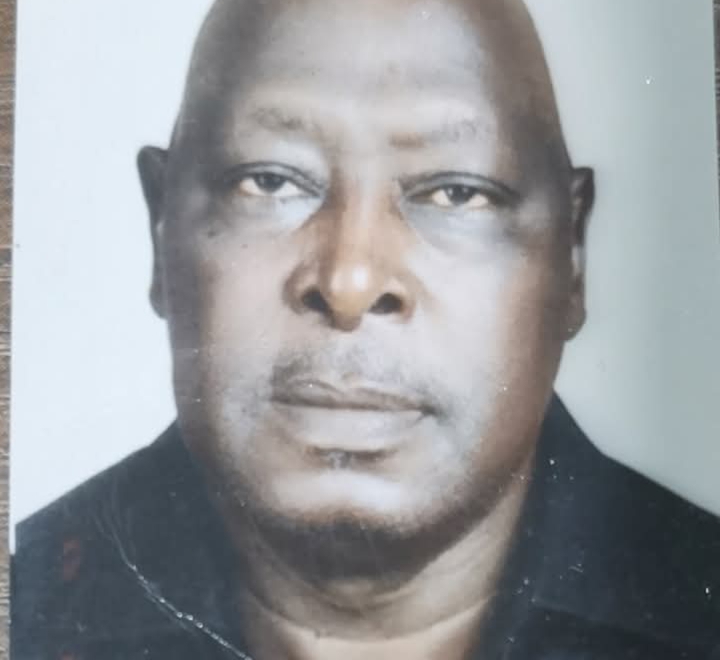
No comprehensive history of modern Nigerian politics can be written without mentioning Chief Babachir David Lawal, the former Secretary to the Government of the Federation (SGF) during the administration of the late former President Muhammadu Buhari. For political analysts and aspiring leaders, Lawal serves as both a prominent figure and a compelling case study. His leadership style, political trajectory, and lasting influence remain critical subjects of study—much like the legacies of foundational political figures such as Sir Ahmadu Bello, Chief Obafemi Awolowo, and Dr. Nnamdi Azikiwe. Yet, one central question persists: how does a leader achieve such rapid political ascension, only to repeatedly struggle with sustaining positional authority due to widespread follower rejection? This is not a partisan condemnation, but an analytical examination of political leadership mechanics.
Rising from a private career to become the SGF—placing him among the most powerful public officials in a nation of over 200 million people—is a significant feat. By position and access, the SGF is pivotal in driving executive policy. However, Lawal’s administrative tenure was abruptly cut short. When allegations of procurement irregularities surfaced against him, his political base offered little protection. In Nigerian politics, regional elites and traditional institutions often rally to defend high-ranking sons of the soil during administrative crises. Yet, across the North-East, key stakeholders remained silent, allowing his exit from Aso Rock. Though he was later acquitted in court, the political damage was already done. The swiftness of his fall revealed an underlying vulnerability: position without a grassroots foundation of local acceptability leaves a leader isolated during crises.
This dynamic resurfaced as opposition factions organized ahead of the 2027 General Elections. Lawal emerged as a central figure in the African Democratic Congress (ADC), eventually assuming the role of National Vice Chairman (North-East). Rather than unifying the regional structure, his appointment triggered immediate friction. Key stakeholders and governorship aspirants in Adamawa State—the home state of ADC presidential candidate Atiku Abubakar—protested his leadership, leading to party factionalization and high-profile defections.
Lawal subsequently defected to the National Democratic Congress (NDC), where similar structural friction emerged. Upon his appointment as a multi-regional leader covering both the North-Central and North-East geopolitical zones, internal opposition flared once again. Reports indicated that governorship candidates across the affected states issued joint letters of protest rejecting his oversight, raising fundamental questions about the party’s administrative strategy.
This recurring pattern highlights core questions in political leadership mechanics:
Strategic Style vs. Personality: What specific traits or top-down management strategies in Lawal’s approach consistently trigger resistance from regional stakeholders?
Cohesion in Multiparty Coalitions: How can a political party perform effectively in key geopolitical zones when its electoral candidates are in active conflict with their designated regional leader?
The Perils of Imposition: Why do national party executives repeatedly impose regional managers without securing prior consensus from local party bases?
Organizational Overextension: Is it politically viable for a party to consolidate authority over two distinct geopolitical zones under a single individual? Does this signal a broader failure to build localized leadership pipelines?
Effective regional leadership requires widespread acceptability and the skill to enforce strategic discipline without alienating key stakeholders. Lawal’s political career demonstrates that technical qualification and executive appointments cannot substitute for organic consensus. For political parties preparing for major electoral contests, his trajectory offers a clear lesson: positional authority without grassroots acceptability inevitably creates organizational instability.
Rising from a private career to become the SGF—placing him among the most powerful public officials in a nation of over 200 million people—is a significant feat. By position and access, the SGF is pivotal in driving executive policy. However, Lawal’s administrative tenure was abruptly cut short. When allegations of procurement irregularities surfaced against him, his political base offered little protection. In Nigerian politics, regional elites and traditional institutions often rally to defend high-ranking sons of the soil during administrative crises. Yet, across the North-East, key stakeholders remained silent, allowing his exit from Aso Rock. Though he was later acquitted in court, the political damage was already done. The swiftness of his fall revealed an underlying vulnerability: position without a grassroots foundation of local acceptability leaves a leader isolated during crises.
This dynamic resurfaced as opposition factions organized ahead of the 2027 General Elections. Lawal emerged as a central figure in the African Democratic Congress (ADC), eventually assuming the role of National Vice Chairman (North-East). Rather than unifying the regional structure, his appointment triggered immediate friction. Key stakeholders and governorship aspirants in Adamawa State—the home state of ADC presidential candidate Atiku Abubakar—protested his leadership, leading to party factionalization and high-profile defections.
Lawal subsequently defected to the National Democratic Congress (NDC), where similar structural friction emerged. Upon his appointment as a multi-regional leader covering both the North-Central and North-East geopolitical zones, internal opposition flared once again. Reports indicated that governorship candidates across the affected states issued joint letters of protest rejecting his oversight, raising fundamental questions about the party’s administrative strategy.
This recurring pattern highlights core questions in political leadership mechanics:
Strategic Style vs. Personality: What specific traits or top-down management strategies in Lawal’s approach consistently trigger resistance from regional stakeholders?
Cohesion in Multiparty Coalitions: How can a political party perform effectively in key geopolitical zones when its electoral candidates are in active conflict with their designated regional leader?
The Perils of Imposition: Why do national party executives repeatedly impose regional managers without securing prior consensus from local party bases?
Organizational Overextension: Is it politically viable for a party to consolidate authority over two distinct geopolitical zones under a single individual? Does this signal a broader failure to build localized leadership pipelines?
Effective regional leadership requires widespread acceptability and the skill to enforce strategic discipline without alienating key stakeholders. Lawal’s political career demonstrates that technical qualification and executive appointments cannot substitute for organic consensus. For political parties preparing for major electoral contests, his trajectory offers a clear lesson: positional authority without grassroots acceptability inevitably creates organizational instability.
Discussions (0)
Log in to comment
Or create an account
Disclaimer: Opinion Grid is not responsible for the consequence of any comment you submitted and the system may remove your comment if it violates our policy or infringes on others' rights.
Trending Discussions
From Inbox: US Relocation or N750k New Offer with Conditions and Benefits in Nigeria?
If your purpose for relocating to the US is the usual pursuit of greener pastures, remember the Yoruba adage: what you are traveling to Sokoto to find is right here in your Sokoto pocket
Gen Z Takes To The Streets: From the Developing World to the Developed, the Demands Remain the Same
Driven by a global demand for transparency, accountability, and systemic reform, Generation Z is rewriting the rules of political activism. From developing nations to world superpowers, this article explores how young citizens are taking to the stree...
Portuguese Football Crisis: Now That Ronaldo Has Spoken
Ronaldo emphasized a core principle in his statement: he asked for nothing from Jorge Jesus except the honest truth. He simply did not want to be misled. Even if the truth were blunt, he wanted Jesus to say directly, Ronaldo, you are no longer neede...
JAMB to Start Conducting UTME in Canada From 2027: Beyond the Headline
Beyond the headlines, it is striking to see the children of Diaspora parents—some of whom once dismissed Nigeria and criticized its institutions—now demonstrating an interest in entering the very academic system their parents departed. This contrast ...
One Killer, Too Many Deaths: Unmasking the Secret Cult Surge from Osun to Nigeria
While election season gave cult groups access to weapons, the ongoing violence across Osogbo and beyond is largely fueled by internal cult elections, splinter groups, and personal scores. From Osun to Lagos, Cross River, and Enugu, innocent citizens ...
Ronaldo vs. Portugal: How a Legend Exits, and the Price Portugal May Pay
These are the real, long-term setbacks awaiting the Portuguese national team if they continue to treat their ultimate icon like an outsider who never contributed to their glory. Cristiano Ronaldo
Independence Day: Tinubu and the Expectations of Nigerians
While some argue that President Tinubu's speech fell short of expectations regarding concrete solutions moving forward, it clearly demonstrated that the man at the helm of affairs is not interested
Beyond the Manifesto: What Will Decide the 2027 Nigerian Polls?
A keen examination of the early preparations suggests that non-manifesto factors—rather than policy programs—are becoming the main priority for the leading contenders
Kidnappers Sentenced to Death: The Unspoken Concerns Surrounding Edo Special Court's Ruling
The quote above is part of the landmark judgment delivered on Wednesday, September 24, 2026, by an Edo Special Court—a historic day both for Edo State and for Nigeria’s broader fight against kidnapping
Too Good to Be True: Inside the Osogbo Food Subsidy Scam
While it is easy to blame government policies for driving up the cost of living, citizens must also exercise caution. If these operators were indeed selling stolen goods, wouldn't buying from them make customers accomplices to a crime?