
Posted on 02/10/2026 05:15:00 (10d ago) 79
As Nigerians prepare for the 2027 general elections, politicians and candidates are deploying strategic maneuvers to secure success for their political camps. At this juncture, candidates would normally be expected to present thorough, robust, and clear political manifestos to persuade the electorate. However, a keen examination of the early preparations suggests that non-manifesto factors—rather than policy programs—are becoming the main priority for the leading contenders.
While incumbent President Bola Tinubu, who is seeking a second term, struggles to defend the fallout from his economic policies—moves that several local and international economists deemed essential—high-profile opposition figures are shifting their stances on those same policies. This suggests that a candidate’s agenda or policy manifesto may not be the decisive factor in determining who wins the 2027 presidential race or other elective positions.
For instance, Peter Obi, who was initially a fierce critic of President Tinubu’s reforms, has recently softened his tone. He noted that he would execute similar structural reforms, albeit with a different, more refined approach. This indicates that Obi and Tinubu may run on largely similar policy foundations.
Consequently, the public backlash over Tinubu’s economic policies may not grant Obi an automatic advantage, given his willingness to build on several of those same bold .
Similarly, since 2019, Atiku Abubakar’s manifesto has relied heavily on privatization—an approach that aligns closely with Tinubu’s market-driven economic policies. It is unlikely that Atiku could privatize key sectors, such as oil, while continuing to fund fuel subsidies, or refrain from floating the naira in a market where the government aims to regulate rather than absorb economic deficits. Having previously advocated for the removal of the fuel subsidy, Atiku’s recent pivot has left many voters skeptical of his changing stance.
If policy manifestos fail to differentiate the candidates, politicians naturally resort to a different tactic: building networks among powerful political stakeholders rather than debating governance ideas.
This dynamic is already unfolding. Major candidates appear to be setting aside policy blueprints for national development in favor of forging strategic alliances for political survival.
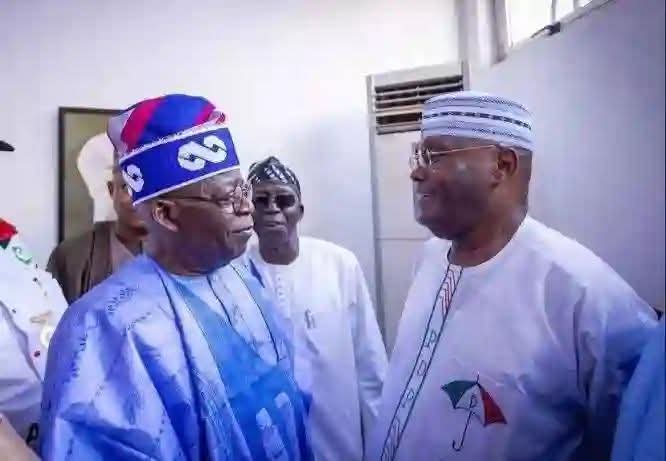
The incumbent president, leading opposition candidates, and political blocs are setting aside ideological differences to embrace pragmatic partnerships. While opposition parties attempt to form a united front by rallying stalwarts across the country, President Tinubu continues to build bridges—welcoming opposition governors, lawmakers, and key actors while consolidating his hold on his own party following early administration departures.
When elections are decided by political alliances rather than policy offers, the broader populace is often led to vote based on the directives of influential local figures who mediate access to state power.
Ultimately, political stakeholders—and high-level power-sharing agreements among key actors, regardless of party affiliation—are set to decide Nigeria’s next general election. This trajectory will remain unless President Tinubu stops merely defending policy fallout and clearly articulates a compelling future vision; unless Atiku Abubakar firmly commits to his core vision of a deregulated, market-driven economy; and unless Peter Obi presents a consistent, unambiguous stance on fuel subsidies and structural reform.
While incumbent President Bola Tinubu, who is seeking a second term, struggles to defend the fallout from his economic policies—moves that several local and international economists deemed essential—high-profile opposition figures are shifting their stances on those same policies. This suggests that a candidate’s agenda or policy manifesto may not be the decisive factor in determining who wins the 2027 presidential race or other elective positions.
For instance, Peter Obi, who was initially a fierce critic of President Tinubu’s reforms, has recently softened his tone. He noted that he would execute similar structural reforms, albeit with a different, more refined approach. This indicates that Obi and Tinubu may run on largely similar policy foundations.
Consequently, the public backlash over Tinubu’s economic policies may not grant Obi an automatic advantage, given his willingness to build on several of those same bold .
Similarly, since 2019, Atiku Abubakar’s manifesto has relied heavily on privatization—an approach that aligns closely with Tinubu’s market-driven economic policies. It is unlikely that Atiku could privatize key sectors, such as oil, while continuing to fund fuel subsidies, or refrain from floating the naira in a market where the government aims to regulate rather than absorb economic deficits. Having previously advocated for the removal of the fuel subsidy, Atiku’s recent pivot has left many voters skeptical of his changing stance.
If policy manifestos fail to differentiate the candidates, politicians naturally resort to a different tactic: building networks among powerful political stakeholders rather than debating governance ideas.
This dynamic is already unfolding. Major candidates appear to be setting aside policy blueprints for national development in favor of forging strategic alliances for political survival.
The incumbent president, leading opposition candidates, and political blocs are setting aside ideological differences to embrace pragmatic partnerships. While opposition parties attempt to form a united front by rallying stalwarts across the country, President Tinubu continues to build bridges—welcoming opposition governors, lawmakers, and key actors while consolidating his hold on his own party following early administration departures.
When elections are decided by political alliances rather than policy offers, the broader populace is often led to vote based on the directives of influential local figures who mediate access to state power.
Ultimately, political stakeholders—and high-level power-sharing agreements among key actors, regardless of party affiliation—are set to decide Nigeria’s next general election. This trajectory will remain unless President Tinubu stops merely defending policy fallout and clearly articulates a compelling future vision; unless Atiku Abubakar firmly commits to his core vision of a deregulated, market-driven economy; and unless Peter Obi presents a consistent, unambiguous stance on fuel subsidies and structural reform.
Discussions (0)
Log in to comment
Or create an account
Disclaimer: Opinion Grid is not responsible for the consequence of any comment you submitted and the system may remove your comment if it violates our policy or infringes on others' rights.
Trending Discussions
No related contents to display. Please, Reload the page.